1 / 2

Get Closer to Your Goals With a Instant Personal Loan
2 / 2
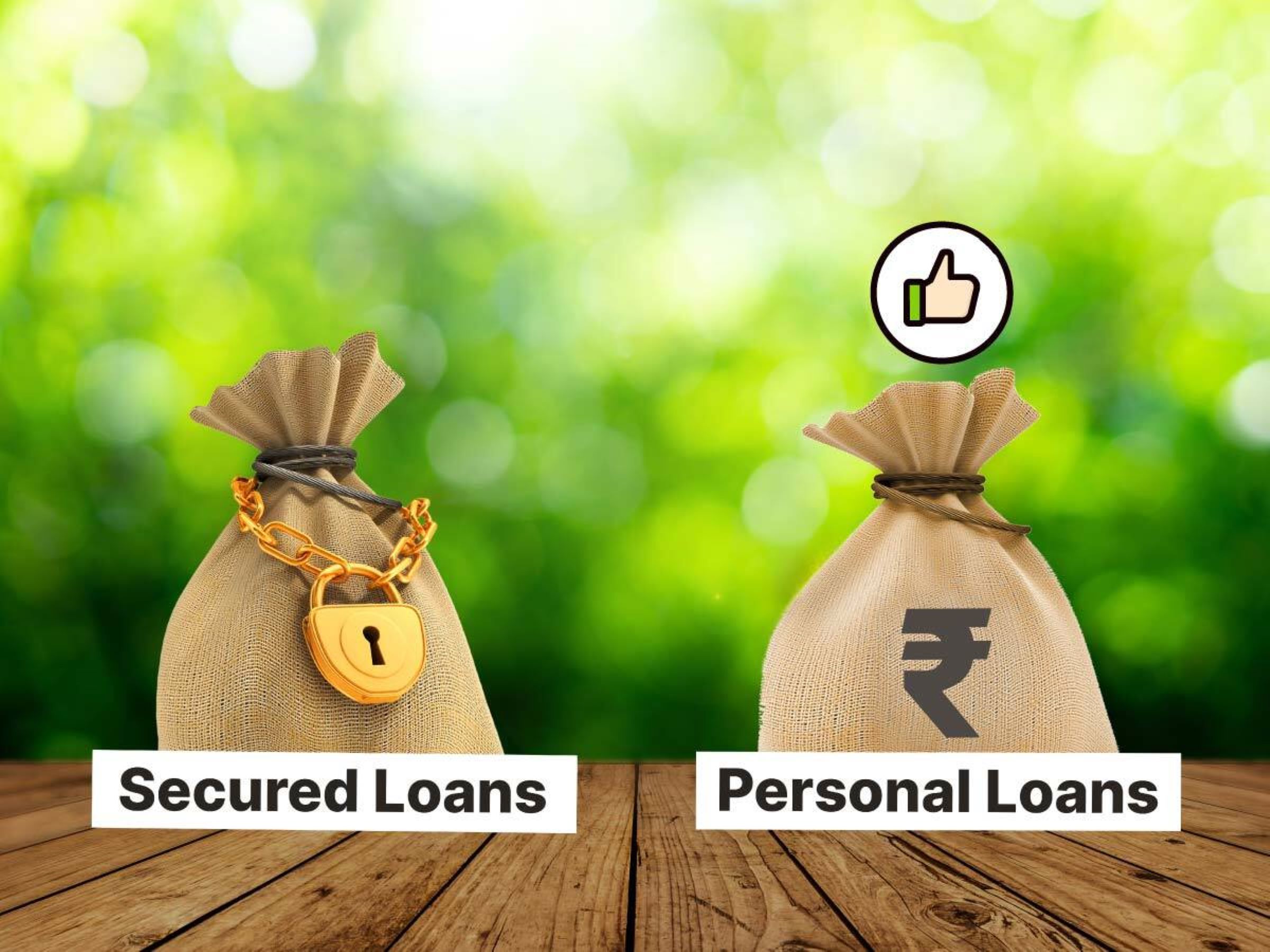
Explore flexible Personal Loan options tailored to meet your needs.
| Particulars | Charges |
|---|---|
| Loan Processing Fees | 2999/- to 5% of Loan Amount |
| Loan Cancellation | Usually 3000 to 5% of Loan Amount |
| Stamp Duty Charges | 150/- to 300/- |
| Legal Fees | As per actuals |
| Penal Charges | Usually 2% per month |
| EMI / Cheque Bounce Charges | Approx 499/- to 599/ |
Depending on several factors, including the loan amount, loan term, income, and employment history, different lenders have different minimum credit score requirements to be approved for personal loans. Most lenders consider a credit score of 650 or above to be strong enough to qualify for a personal loan. To be eligible for a personal loan with low-interest rates and advantageous terms, some lenders may require a credit score of 700 or better.
The minimum salary required to be eligible for a personal loan can vary depending on the lender and their specific eligibility criteria. However,
in India, most lenders have a minimum salary requirement of Rs. 15,000 per month to qualify for a personal loan. This means that if you earn less
than Rs. 15,000 per month, you may not be eligible for a personal loan from these lenders.
Yes, pensioners who have a pension account with one of India's leading banks may be eligible to apply for a personal loan. Many banks and
financial institutions in India provide personal loans to retirees, with some lenders catering specifically to this demographic.
Personal loans for pensioners may have different eligibility criteria, terms, and conditions than regular personal loans.
Lenders, for example, may impose age restrictions or require proof of pension income to qualify for a loan. Before applying for a personal loan, pensioners
should carefully review the eligibility criteria as well as the terms and conditions. They should also compare various lenders and loan options to determine
which one best meets their needs and financial situation.
Students are eligible to apply for a personal loan. However, depending on the lender and the student's financial situation, the eligibility
criteria and loan terms may differ. If the student is employed or has a steady source of income, procuring a personal loan may be easier. A good
credit score can also increase the likelihood of approval and result in lower interest rates.
On the other side, the student might require a co-signer if they have little to no income to be accepted for a personal loan. A co-signer is a
credit-worthy individual who consents to accept financial responsibility for the loan if the borrower is unable to pay it back.
Yes, it is possible to apply for a personal loan without a salary slip, but you will need to provide other financial documents to validate your
income. Some lenders may accept an income certificate from your employer, bank account statements showing regular deposits, Income Tax Returns
(ITR) or Form 16 as proof of your income. However, it's important to note that the lender may have specific requirements regarding the type and
amount of documentation needed to verify your income. Additionally, having alternative forms of income may affect your eligibility and the terms
of the loan, such as the interest rate or loan amount.
Yes, you can use a personal loan for marriage expenses. Because weddings may be extremely pricey, personal loans are frequently utilized to pay
for them. However, it's important to consider whether you can afford to repay the loan, as defaulting on a loan can negatively impact your credit
score and financial future.
When applying for a personal loan for marriage expenses, you may need to provide the lender with an estimate of the total costs and a breakdown
of how the funds will be used. The terms of the loan, such as the interest rate and repayment period, will depend on factors such as your credit
score, income, and the amount you are borrowing. It's a good idea to compare different lenders and their loan offers before applying to find
the most favorable terms for your financial situation.
Yes, you can obtain personal loans from two different banks at the same time, provided you meet the eligibility requirements for each loan and
can afford the repayments for both. However, it's critical to keep an eye on your overall debt level and avoid taking on more debt than you can
handle.
Yes, there may be fees associated with prepaying a personal loan, which are commonly referred to as prepayment penalties. Some lenders charge
these fees if you repay your loan before the end of the term. The prepayment penalty varies by lender and can be a fixed fee or a percentage
of the outstanding loan amount. It is crucial to carefully read the loan agreement to determine whether there are any prepayment penalties
associated with the loan and what the charges would be if you decided to repay the loan.
Personal loans typically do not demand security or collateral because they are unsecured loans. Instead, lenders rely on the borrower's
creditworthiness, income, and other factors to determine whether to approve the loan and what interest rate to offer. However, if the borrower
has bad credit or a high debt-to-income ratio, certain lenders could want collateral or a cosigner before approving a personal loan. If the
borrower defaults on the loan, the collateral or cosigner acts as a guarantee that the lender would be compensated.
It's important to carefully consider the repayment period and interest rate when choosing a personal loan, as they
can greatly affect the total cost of the loan. Followings are the repayment period options for a personal loan
Short-term loans: These are typically for a period of 12 months or less, and are designed to be repaid quickly.
Short-term loans usually have higher interest rates than longer-term loans.
Medium-term loans: These loans typically have a repayment period of 1-5 years. They are often used for larger
purchases or to consolidate debt.
Long-term loans: These loans typically have a repayment period of 5-10 years or more. They are often used for
large purchases such as a house or car, or to pay for education expenses.
Revolving credit: Revolving credit is a type of loan where the borrower is given a credit limit and can borrow and
repay funds as needed. The borrower only pays interest on the amount borrowed, and the repayment period can be ongoing as long as the borrower continues to
make payments.
Payday loans: Payday loans are a type of short-term loan that typically have a repayment period of a few weeks. They
are often used to cover unexpected expenses and usually have very high interest rates.
Here are the points to help you calculate the EMI for your personal loan:
Plan your budget: Once you know the EMI amount, plan your budget accordingly to ensure that you can repay the loan on time without defaulting.
Check the loan tenure: Find out the duration for which you will be repaying the loan, which is known as the loan tenure.
Find out the interest rate: Check with the lender to know the interest rate applicable to your personal loan.
Use an EMI calculator: You can use First Money’s EMI calculator to calculate your EMI. Input the loan amount, loan tenure, and interest rate
in the calculator, and it will give you the EMI amount.
Understand the components of the EMI: Your EMI consists of two components - principal repayment and interest payment. In the initial years, the
interest component will be higher, and gradually, the principal component will increase.
The maximum loan amount that you can borrow through a personal loan in India depends on several factors, such as your income, credit score,
repayment capacity, and the lender's policy. Typically, lenders offer personal loans ranging from Rs 10,000 to MAX. However, the maximum
loan amount that you can borrow will depend on your eligibility, and it is advisable to borrow only what you need and can repay comfortably.
Yes, pensioners who have a pension account with one of India's leading banks may be eligible to apply for a personal loan. Many banks and
financial institutions in India provide personal loans to retirees, with some lenders catering specifically to this demographic.
Personal loans for pensioners may have different eligibility criteria, terms, and conditions than regular personal loans.
Lenders, for example, may impose age restrictions or require proof of pension income to qualify for a loan. Before applying for a personal loan, pensioners
should carefully review the eligibility criteria as well as the terms and conditions. They should also compare various lenders and loan options to determine
which one best meets their needs and financial situation.
If you submit an application for a personal loan online or through a lender's website, you can get an immediate approval, and the loan amount
might get disbursed in your account in a few business days. However, depending on the lender's internal processes, the application process may
take several days or even weeks if you apply for a loan in person at a bank or credit union.
Having all the required paperwork prepared and making sure the application is accurate and complete will help the loan application process go
more quickly. If the lender requests it, you should be prepared to provide further supporting documents or information to speed up the process.
Yes, you can negotiate the interest rate for your personal loan. However, the outcome of the negotiation will depend on various factors such as
your credit score, income, and the lender's policies. It's always worth trying to negotiate for a better rate by comparing offers from different
lenders and leveraging your good credit score and financial standing. You can also consider securing the loan with collateral to get a lower
interest rate.
Yes, you can apply for a personal loan online. Applying for a personal loan online is becoming more and more popular due to its convenience and
ease of use. To apply for a personal loan online, you will typically need to visit the website of the financial institution/Bank and fill out an
online application. The application process usually involves providing personal information such as your name, address, social security number,
and employment information. You may also be asked to provide information about your income and expenses, as well as the purpose of the loan.
If you default on your loan payments, it can have serious consequences on your credit score and financial situation.
Here are some of the potential consequences of defaulting on a personal loan:
Late Fees and Penalties: If you fail to make a payment or are late, the lender may charge you late fees and penalties. These fees can quickly
add up and make it difficult to catch up on your payments.
Negative Impact on Credit Score : When you default on a loan, the lender may report the missed payments to credit bureaus, which can hurt your
credit score. A lower credit score may make future credit applications more difficult, as well as result in higher interest rates and fees.
Legal Action: If you continue to miss payments, the lender may decide to sue you. A wage garnishment or a
lawsuit is examples of this. Legal action can be costly, and you may be found liable in court.
Collection Calls: If you default on a loan, the lender or a debt collection agency may contact you. These calls can be stressful, and they may
continue until the debt is cleared.
Collateral Seizure: If you have secured your loan with collateral, such as a car or home, the lender may seize the
collateral if you default on your loan payments. This can result in the loss of your property.