1 / 2
India's Best Loan Distribution Channel
2 / 2
Free CIBIL Score Check is now Live
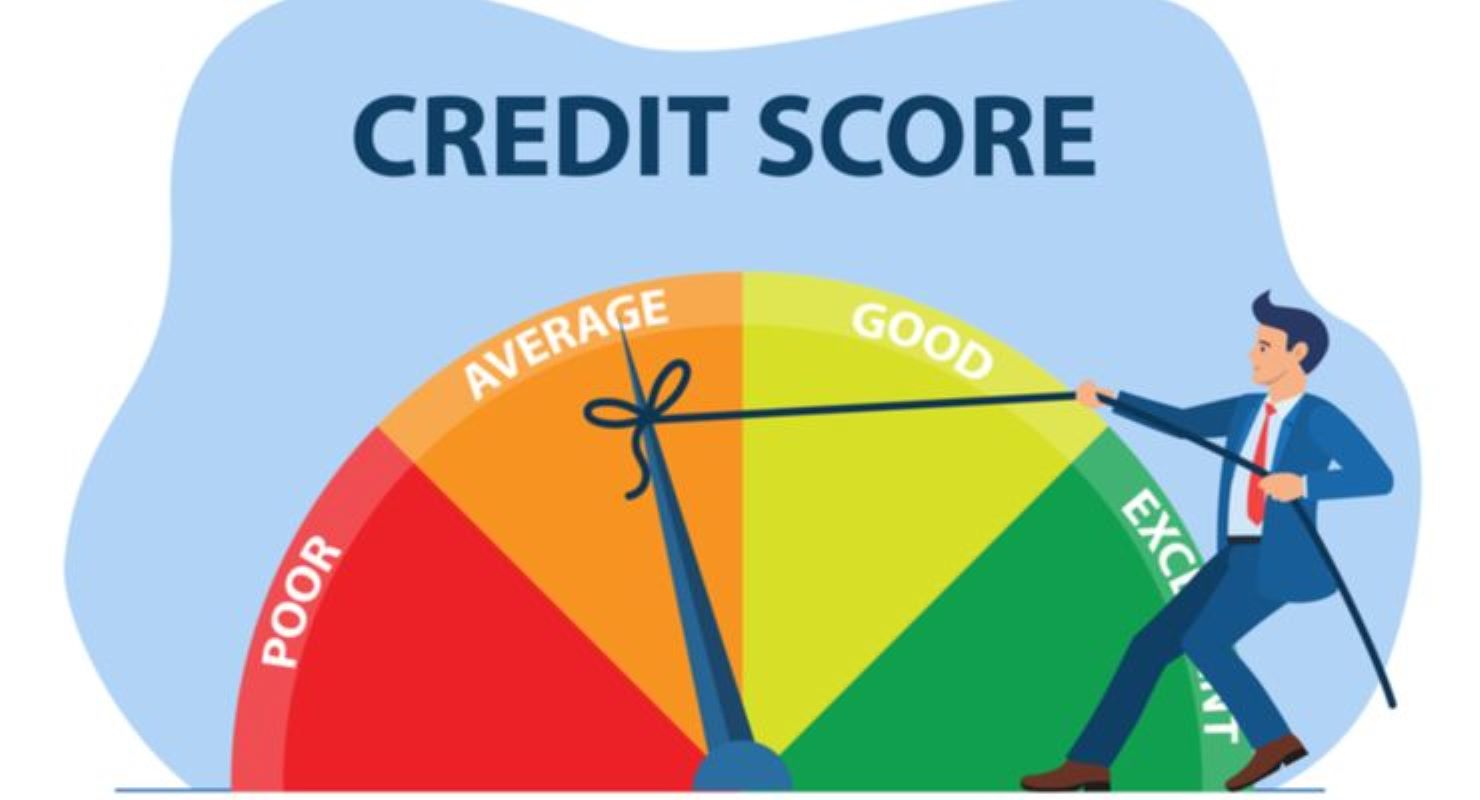
| CIBIL Score | Creditworthiness | |
|---|---|---|
| 550 and below | Bad | You have a low chance of getting a loan, especially for a high amount. Discipline your finances before applying for a loan. |
| 550 - 649 | Poor | Delayed loan payments reflect the risk of not paying a loan on time. Improve your score by paying previous loans before applying for new ones. |
| 650 - 699 | Average | Loan approval is possible but with higher interest rates and fewer benefits. Improve your score by making timely payments. |
| 700 - 749 | Good | With a good CIBIL Score, your chances of loan approval increase. Further, improve your score to get better interest rates. |
| 750 - 900 | Excellent | This score indicates timely payments. Borrowers with super CIBIL Scores are considered low-risk and can get high loan amounts at attractive interest rates and minimal paperwork. |
A CIBIL score is a three-digit number that represents your creditworthiness based on your borrowing
and repayment history.
It typically ranges from 300 to 900 and is one of the most important credit scores for loans.
Lenders check your CIBIL score before approving any loan or credit card to assess whether you are a low-risk borrower. A higher CIBIL score
increases your chances of getting loans at better interest rates.
The maximum CIBIL score is 900, which represents the highest level of creditworthiness.
Achieving this score is rare and requires consistent financial discipline, such as timely repayment of EMIs and credit card bills, maintaining
a low credit utilization ratio (ideally below 10%), avoiding frequent credit inquiries, and building a long and diverse credit history.
A score of 750 and above is generally considered the best credit score for loans, as it increases your chances of loan approval with favorable
interest rates and terms. Regularly reviewing your credit report for errors is also crucial to maintaining a strong credit score.
If you’re wondering how CIBIL score is calculated, it is based on several important credit score factors.
These include your repayment history (whether you pay EMIs and credit card bills on time), credit utilization ratio (how much of your available
credit you use), length of credit history, types of credit (secured and unsecured), and the number of recent loan or credit card inquiries.
Among these, repayment history and credit utilization carry the most weight. By managing these credit score factors responsibly, you can maintain
a strong CIBIL score and improve your chances of getting loans and credit cards approved easily.
Yes, clearing your outstanding dues and completing a loan closure can improve CIBIL score over time. When you repay your loan in full, it shows
lenders that you are financially responsible, which positively impacts your credit profile. However, the loan closure effect on credit score
may take a few weeks to reflect in your CIBIL report as it depends on when the lender updates the credit bureau.
Yes, credit card late payment CIBIL score impact is significant.
Even a single missed or delayed payment can negatively affect your score, as repayment history is one of the most crucial factors in CIBIL’s
calculation.
Consistently paying EMIs and credit card bills after the due date lowers your score, reduces your creditworthiness, and makes it harder to
qualify for loans or new credit cards in the future. To protect your score, always pay your bills on time.
If you’re wondering how to improve CIBIL score, the key lies in disciplined financial management. Always pay your EMIs and credit card bills
on or before the due date, and try to keep your credit utilization ratio below 30%. Avoid applying for multiple loans or credit cards
within a short period, as too many inquiries can lower your score.
Maintaining a balanced mix of secured and unsecured credit also plays an important role. By following these practices consistently, you can
gradually boost credit score and increase your chances of getting loans approved with better interest rates and favorable terms.
No, checking your own CIBIL score does not negatively affect it. In fact, you can check free CIBIL score online anytime to stay updated on your
credit health.
These are considered “soft inquiries” and do not lower your score, unlike lender-initiated “hard inquiries.” Regular monitoring enables you to
identify errors and take corrective steps promptly.
You can do a free CIBIL score check online through trusted financial distribution platforms like First Money.
With just a few basic details, you can instantly check CIBIL score for loan eligibility without affecting your credit score.
This helps you understand your credit health before applying for a personal loan, home loan, or credit card, increasing your chances of quick
approval.
There are several important factors affecting CIBIL score. These include your repayment history, credit utilization ratio, length of credit
history, types of credit (secured and unsecured), and the number of recent credit inquiries.
Timely payment of EMIs and credit card bills, keeping credit usage below 30%, and maintaining a long and balanced credit history can positively
influence your score.
On the other hand, late payments, defaults, or applying for too much credit at once can reduce it. By managing these factors affecting CIBIL
score, you can build and maintain a strong credit profile.
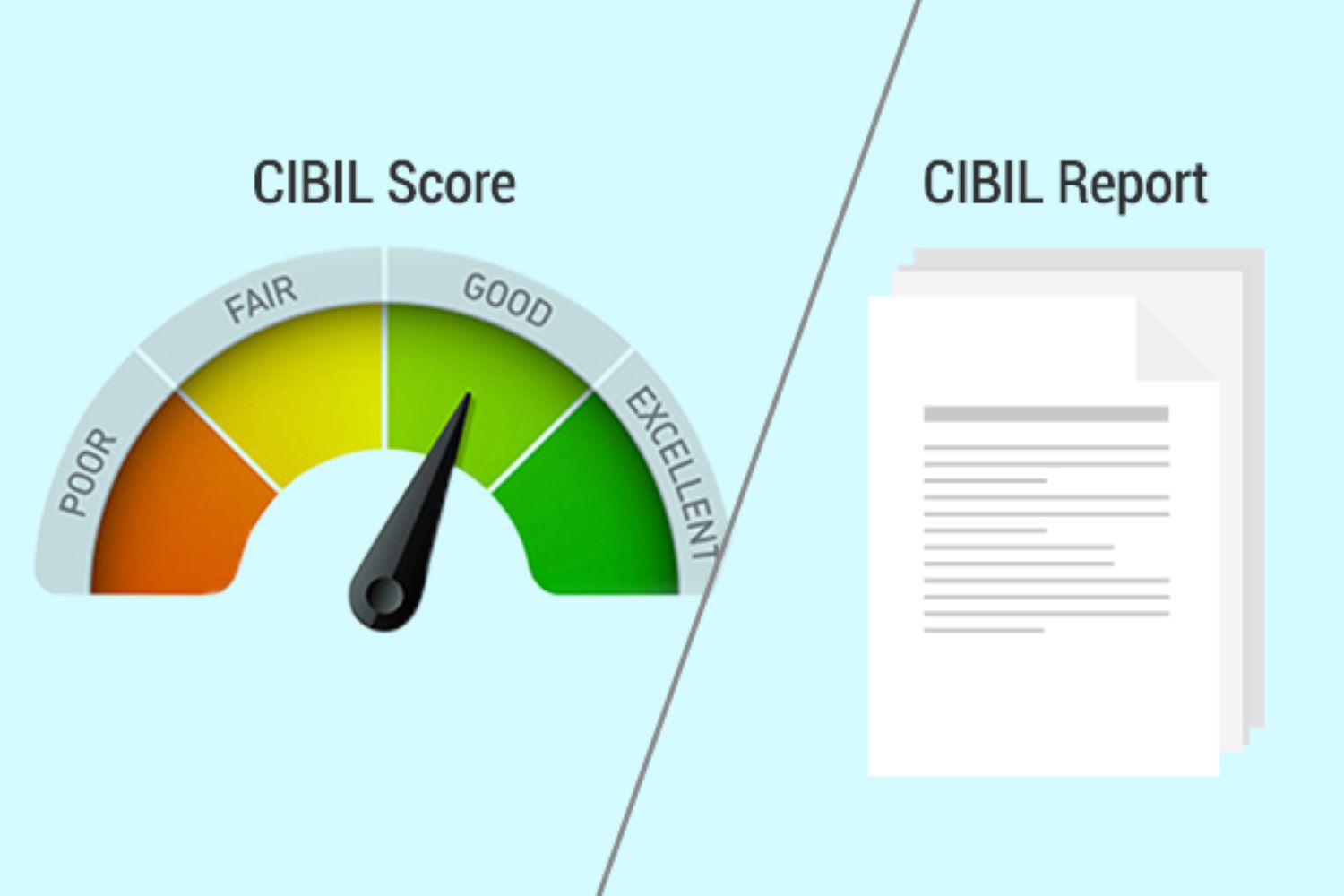
A CIBIL score and report are related but serve different purposes. Your CIBIL score is a three-digit numeric summary (ranging from 300 to 900)
that represents your creditworthiness, with a higher score indicating better credit health.
On the other hand, a CIBIL report is a detailed document that contains your entire credit history, including loan accounts, credit card usage,
repayment records, and past inquiries.
In short, the CIBIL score and report together provide lenders with a complete picture of your financial behavior before approving any credit.